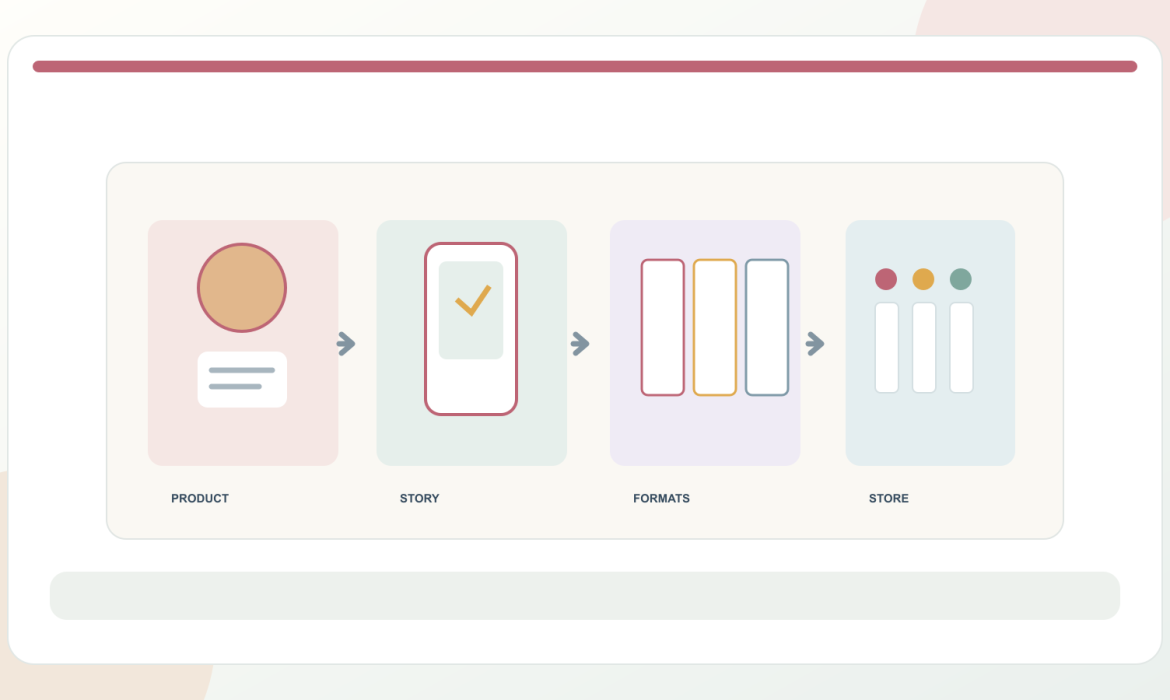
Quick answer: An Instagram content strategy for ecommerce brands should assign a job to each format instead of applying one visual template everywhere. Use short video to make a product use case visible, Stories for timely questions or event reminders, carousels to explain a choice step by step, and creator content for a distinct point of view. Choose a target market, language, and product theme before building the month’s sequence. Every post should lead to a relevant product or landing page, with links and creator codes tagged consistently. Review reach, saves, profile visits, link clicks, and store behavior together. Creator agreements should specify disclosure, rights, approval, and reuse; one post’s views do not establish incremental sales.
Scope and reading note
This guide is for teams planning social media work for an export business. Workflow examples are editorial recommendations, not platform requirements, client case studies, or performance promises. The workbook did not include live keyword metrics, so this draft does not claim verified search volume. Check current platform settings, rights, and market-specific requirements before publishing.
An Instagram content strategy for ecommerce brands starts with one theme
Imagine a home-goods brand preparing to introduce an adjustable desk lamp. This is an editorial planning example, not a client case. Act one makes a use problem visible: glare on a work surface, a cramped desk, or a task that needs flexible lighting. A short Reel can show one problem and one product behavior. Act two helps the shopper understand a choice: a carousel explains dimensions, adjustment range, setup, and limits. Act three answers remaining questions: Stories collect a question, an editor posts a clear response, and a link leads to the product page.
The sequence is a planning device, not a claim about Instagram’s algorithm. It stops a team from packing every feature, qualification, and offer into one caption. A person who sees the first clip may need context before considering the product. Someone who has saved a comparison may need a direct route to specifications. One editorial theme can connect the pieces while each asset still has a distinct reader task.
Before production, confirm the product version shown, the claims the visuals can support, the page that will receive traffic, and the person responsible for replies. If inventory, shipping regions, or product details are changing, a polished social sequence can become misleading unless the destination page is kept current.
Assign each Instagram format a clear editorial job
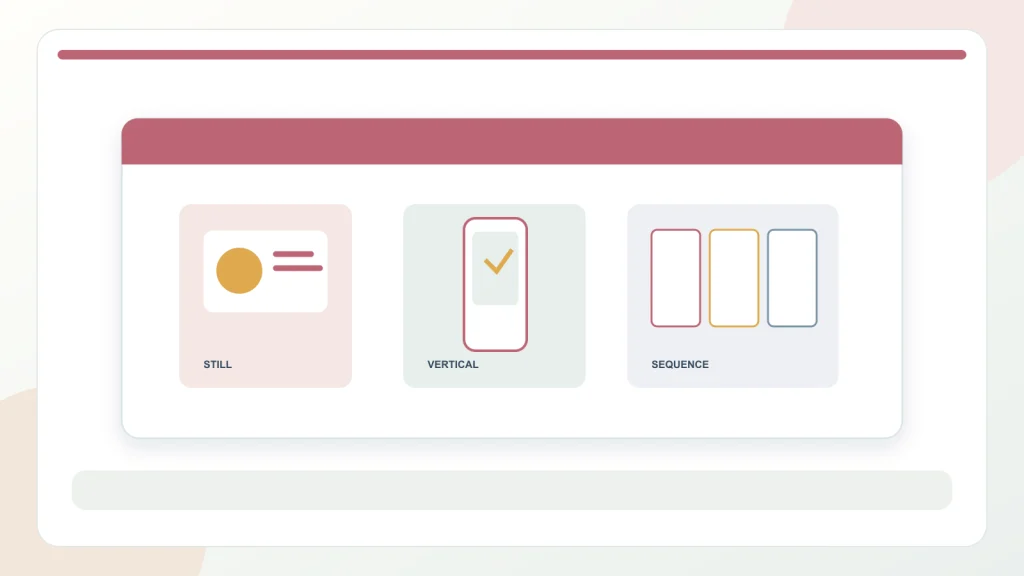
Short-form video can show a setting, a before-and-after condition, or one functional detail. Open with the question or visible moment, explain one point, and give the viewer a natural next step. Do not ask a short clip to carry an entire product specification sheet. Add spoken or on-screen information where it improves understanding, and provide captions for prerecorded speech.
Stories can support a time-sensitive conversation: a poll, question box, behind-the-scenes moment, or event reminder. The available tools and how they behave can change, so verify the current account interface rather than promising a feature universally. Stories are useful for gathering what audiences still want explained; they should not become a substitute for a stable product page or an accessible, persistent source of core details.
A carousel can break a complex decision into steps: question, comparison, evidence, limitation, and action. Give each card one point and ensure the order makes sense without relying on a tiny paragraph. Static images still work for product detail and brand recognition, but a poster full of small text should not be the only source of essential product information. Use descriptive alt text that describes what is shown instead of repeating a list of keywords.
Keep brand recognition without cloning every composition
A brand can stay recognizable through color, photography, tone, product framing, and a consistent way of explaining claims. That does not mean every post needs the same layout. Build a visual guide for the month: product scale, backgrounds, lighting, safe areas for text, logo use, color range, and what not to show. Then adapt the guide for a product still, a process scene, a vertical demonstration, and creator footage.
Do not assume one market has a single visual preference. Review feedback from the target audience and ask a local editor to check symbols, situations, idioms, and the balance between promotional and practical information. A photo that feels natural to one audience can look staged or culturally off to another. The goal is not to stereotype a country; it is to test how real audience members understand the message.
Product visuals must match what the shopper can actually buy. If a clip shows an older design, a retired color, or a feature that differs by region, label the distinction or replace the clip. A consistent brand system depends on reliable product facts as much as on colors and templates.Considering outside social media support? Review Marketboo’s social media management service against your markets, production capacity, approval process, and account-governance needs.
| Format | Possible job | Example | Signal to review |
|---|---|---|---|
| Reels / short video | Discovery, use case, one-point explanation | Show a product solving a visible use problem | Target-market reach, views, profile visits |
| Stories | Timely conversation, questions, event reminder | Collect a question or explain an event detail | Replies, completion, link activity |
| Carousel | Stepwise explanation or comparison | Selection checklist, sizing, setup conditions | Saves, shares, later product-page visits |
| Creator content | Another voice and a real setting | Disclosed demonstration or product explanation | Audience fit, tagged visits, code and assisted activity |
Turn product benefits into visible, supportable evidence
A sentence such as “make every day better” gives a shopper little way to decide whether a product fits. Translate a benefit into a detail that can be shown or explained: how an adjustment works, what size fits a particular surface, how a material is cleaned, or what needs to be checked before installation. Use a demonstration only if it fairly depicts normal use and has been approved by the product owner.
Claims about durability, energy use, health, safety, or superiority need substantiation from the business. Aesthetic imagery does not prove performance. A side-by-side visual should not imply that an untested competitor is inferior. If a claim requires qualification, include the context in the caption or direct viewers to a page where the limits are explained.
For each asset, keep a short source note: product version, approved claim, reviewer, destination URL, and date checked. If a product specification changes later, the team can find the affected posts and update or remove them instead of discovering the issue after a customer has relied on outdated information.
Localize for a market rather than translating a caption
Localization covers language, units, measurements, date conventions, seasonal references, product names, service limits, and expectations after purchase. A literal translation can preserve words while losing tone or context. Decide which English variant or other language is intended and have a qualified editor check terminology, brevity, and the link destination. If the brand serves several countries, do not assume that one currency, shipping statement, or holiday reference applies everywhere.
Creator selection should look beyond follower totals. Review audience geography, audience fit, content style, engagement quality, previous disclosure behavior, brand safety, and the creator’s ability to explain the product honestly. Ask for relevant audience information and a proposed format. Do not purchase a vanity metric without understanding how the audience relates to the intended market.
The creator agreement should identify compensation, the disclosure wording or platform label, review and correction steps, channels, territory, usage period, paid amplification rights, editing permissions, music and third-party material, and takedown conditions. Advertising disclosure and consumer-protection rules differ by jurisdiction. Have the appropriate local professional review the plan rather than assuming a platform label resolves every legal question.
Plan a monthly cadence around production capacity
A test month might include one short video and one carousel each week, supported by Stories when there is a genuine question or event. This is a sample planning rhythm, not an Instagram recommendation or a performance benchmark. The correct schedule depends on what the team can research, film, localize, approve, publish, and respond to without lowering the quality of the work.
The calendar should include the market’s local time, copy deadline, product-review deadline, creator feedback, rights approval, link test, and response owner. When filming, subtitles, and legal review are involved, give each dependency enough time. If a post is waiting on evidence, do not publish it just to fill the day; use an approved fallback or move the schedule.
At month end, identify which audience questions repeated, which assets earned relevant saves or shares, what happened on the product page, and which tasks took more time than expected. Use those findings to adjust the next month’s format mix. A cadence that looks modest but can be repeated is more useful than a packed calendar that collapses after a launch week.
Creator assets require permission before reuse
A creator may agree to publish one post without agreeing that a brand can cut it into ads, add it to a product page, translate it, or reuse it on another platform. Record the rights holder, allowed channels, countries, duration, edit rights, paid use, disclosure, third-party music, and removal conditions. If the brand needs raw footage or alternate versions, specify them before production.
A customer or creator posting a public photo that mentions the brand does not automatically grant commercial usage rights. Ask for explicit permission and retain the record. Keep the final approved asset and its permission near one another in the content library so a future team member does not assume that public visibility equals a license.
If an agreement expires or a creator requests removal, the team should know which placements to find, who can pause paid amplification, and how quickly the asset can be taken down. Rights administration is part of content operations, not a document to file once and forget.
Measure beyond exposure without claiming that exposure is revenue
Pew Research Center published a survey report on January 31, 2024, based on U.S. adult fieldwork from May 2023; 47% of respondents said they used Instagram. This is broad public-use context. It is not the share of overseas ecommerce shoppers, not a forecast of an account’s reach, and not proof that a particular product belongs on Instagram.
For a brand, inspect audience geography, relevant interactions, profile visits, link clicks, and the behavior of visitors on product pages. If the goal is discovery, a qualified save or a useful product-page visit may be a reasonable early signal. If the goal is purchase, also inspect add-to-cart, checkout, order, return, and new-versus-returning-customer data. Platform analytics and store analytics may use different attribution methods, so show the source and period rather than merging totals.
Attribution is imperfect. A person may watch a creator’s video, search the brand later, buy on a different device, or use a discount code after discovering the product elsewhere. Treat a code as one signal, not automatic proof of incremental sales. Pair the tracked data with customer surveys or sales notes when appropriate and disclose the limitations in the report.
Give brand links and creator links a naming system
Use a consistent UTM convention for the profile link, individual content, and creator collaboration. A simple dictionary can assign source to the platform, medium to the channel type, campaign to the launch or theme, and content to the specific creative. Google Analytics Help provides an official URL builder explanation, but the brand must test its own analytics setup and store path.
A creator-specific URL or promo code can help distinguish some activity. It does not prove how many purchases would not otherwise have happened. Separate link visits, code redemptions, assisted conversions, first-time customers, and repeat purchases in the review. Avoid attributing the full revenue of an order to the last social touch if the business’s reporting model does not support that conclusion.
Keep the naming dictionary and link log with the content calendar. Record the destination, date, market, creative, owner, and whether the code is still valid. That gives the team a way to trace a broken link or compare a launch with a later campaign without reconstructing parameters from old captions.
Build captions and accessibility into production
Prepare accurate captions for prerecorded speech and check automated transcription for product names, model numbers, measurements, acronyms, and technical vocabulary. Do not rely on color alone to distinguish a product option, and keep on-screen text readable on a small display. Captions should reflect the spoken information, including relevant sounds where needed, rather than adding claims that were not said.
W3C’s WCAG 2.2 understanding material for Success Criterion 1.2.2 explains the role of captions for prerecorded synchronized media. It is a standards explanation, not a determination that a specific company’s post is legally covered. Requirements vary by product, service, market, and context; have the responsible accessibility or legal reviewer determine what applies.
Accessibility can also improve ordinary comprehension. A viewer may watch without sound, use assistive technology, or need more time to understand a visual sequence. A descriptive caption, clear layout, and truthful alt text make the content more useful without turning every post into a compliance checklist.
Run a small creator test with clear limits
Choose a few creators whose audiences plausibly match the target market and give them a clear product brief, disclosure requirements, key verified facts, and prohibited claims. Allow a genuine voice rather than scripting every line. Keep the link convention consistent and set an observation period, deliverable, approval path, and removal condition before publication.
Define what the business will review: audience fit, comments, clicks, product-page behavior, code use, and customer quality. Differences in geography, format, timing, and creator audience may make comparisons imperfect. A single creator’s result cannot prove how the whole platform performs, and a large view count does not prove incremental revenue.
After the test, document what was learned about the brief, rights, approval speed, audience questions, and store path. If the campaign underperforms, the reason may be creative, offer, audience, landing page, or measurement. The review should suggest a next test, not jump to a universal conclusion.
A launch sequence for the editorial calendar
Week one: publish a short scene that explains who the product is for. Week two: use a carousel to explain the measurements or conditions a shopper should check. Week three: share a creator demonstration with the agreed disclosure and usage terms. Week four: answer recurring questions in Stories, add a durable FAQ to the product page, and link to the relevant details. The sequence is a planning example, not a tested performance result.
Use Stories during the month to collect real questions, not to manufacture urgency. Before each post, check product availability, local shipping, currency, language, UTM, code validity, and response coverage. If a question cannot be answered publicly, direct it to the appropriate support channel without asking the viewer to share personal details in a comment.
At the end of the month, archive the published asset, performance notes, license, captions, link parameters, and any corrections. The next editorial plan can then build on what customers actually asked rather than recycling a generic monthly template.
Make the product page the next chapter, not a dead end
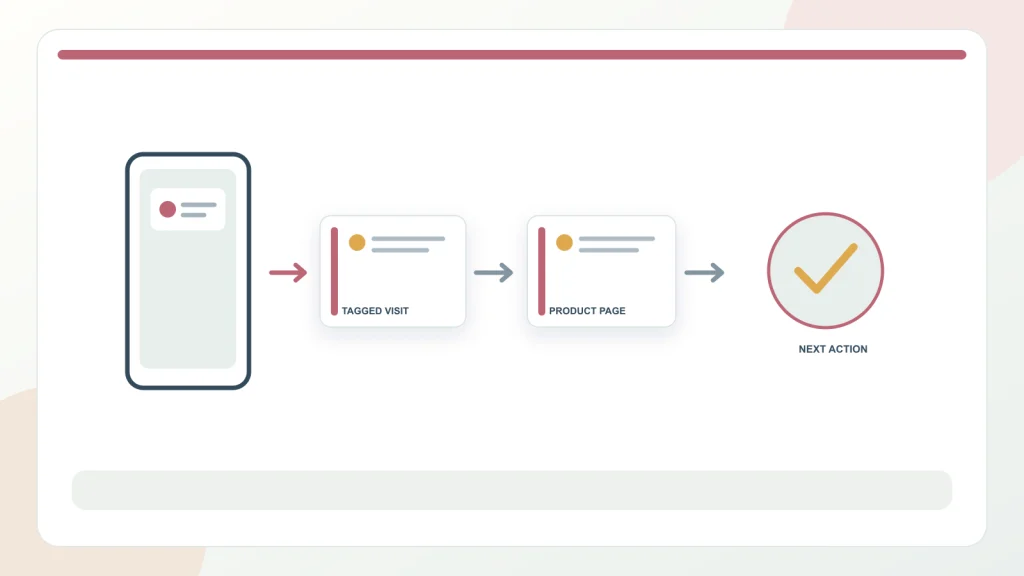
A social post creates a promise about what a shopper will learn next. The destination page should continue that conversation. If a Reel shows an adjustable lamp solving glare, the linked page should make the relevant adjustment, dimensions, light source, and limitations easy to find. If the carousel compares product sizes, the landing page should show the same names and measurements. A mismatch between the creative and the store forces the shopper to repeat the work of figuring out whether the product fits.
For campaigns with more than one product or country, decide whether each post should land on a product page, a collection, a localized page, or a buying guide. Check inventory availability, shipping regions, currency, language, and mobile experience before the post is scheduled. A direct link to an unavailable region or retired product can make an otherwise useful campaign look careless.
Use the landing page to answer questions that do not fit naturally in a short social format: dimensions, materials, compatibility, warranty terms, delivery limits, and care instructions. The social asset can introduce one idea and direct the interested visitor to a complete explanation. Essential qualifications should not be hidden behind vague wording or an unclear link.
After launch, inspect the page behavior rather than assuming that a click equals interest. Are visitors reaching the right section? Do they leave quickly because the product is out of stock? Do they select a size, use a comparison tool, or add the item to a cart? These observations can reveal whether the next month needs a clearer post, a better destination, or a different product offer.
Test creative variables without confusing correlation with proof
A practical content test starts with one question. For example, does a short demonstration make a product’s adjustment easier to understand than a static close-up? Keep the product fact, destination, and offer consistent while varying the creative element that matters. If several things change at once—creator, audience, caption, price, and landing page—the team will not know which change explains the difference.
Write down the hypothesis, asset versions, target market, publication window, and primary signal before posting. Depending on the task, the signal could be relevant saves, product-page visits, a question from the intended shopper, or a qualified add-to-cart. Choose a measure that matches the content’s role; do not judge an educational post only by immediate purchases.
Social platforms do not necessarily distribute two posts to identical audiences or at identical times, so organic comparisons are imperfect. Treat the result as directional evidence, especially with small samples. If the business needs a controlled experiment, its analytics or advertising specialists should determine whether the setup and sample size can support a stronger conclusion.
After the review, retain both the winning and losing assets with notes about the conditions. A creative that worked in one country, season, or audience segment may not transfer elsewhere. The purpose is to learn what to test next, not to turn a single result into a universal format rule.
Conclusion: make one theme travel across formats
An Instagram content strategy for ecommerce brands is a connected editorial sequence, not a race to use every format. Let short video make a use case visible, Stories support a timely conversation, carousels explain a choice, and creators contribute a distinct perspective. Let the product page answer the next question and use consistent tracking to understand what visitors do after the post.
Keep product facts, localization, captions, creator disclosure, and usage rights in the same production process. Review the month’s audience questions and store behavior, then adjust the theme and rhythm. That gives the team a repeatable way to learn without pretending that one viral-looking metric guarantees a sale.
| Week | Audience question | Format | Review point |
|---|---|---|---|
| 1 | Who might use this product? | Reel showing one application | Relevant views and profile visits |
| 2 | What should I check before choosing? | Carousel checklist | Saves, shares, specification-page visits |
| 3 | What does use look like? | Disclosed creator demonstration | Audience fit, link activity, usage rights |
| 4 | What is still unclear? | Stories Q&A plus durable FAQ | Questions, product-page gaps, next actions |
Operating checklist
- Choose the target market, language, audience, and one product theme for the month.
- List the questions shoppers ask during discovery, comparison, and purchase.
- Assign separate jobs to short video, Stories, carousels, and creator content.
- Prepare verified product facts, visual assets, captions, rights, and reviewers.
- Schedule the month with approval time, local posting times, and reply owners.
- Create consistent UTMs or creator codes for the profile and campaign links.
- Review platform activity alongside store behavior; do not equate reach with sales.
- At month end, record audience feedback, store activity, licenses, and asset reuse status.
FAQ
How often should an ecommerce brand post on Instagram?
Work backward from the team’s ability to plan, produce, localize, approve, and answer. Start with a sustainable test rhythm and adjust using relevant audience and store behavior.
How should Reels, Stories, and carousels differ?
Short video can show an application, Stories can support timely interaction, and carousels can explain a choice step by step. Validate the roles with the brand’s own account.
Does a large follower count mean the brand has overseas customers?
No. Review audience geography, interaction relevance, and observed site behavior; follower totals do not establish purchase intent.
How should a brand evaluate creator partnerships?
Check audience fit, content quality, disclosure, usage rights, and tagged visits or code use. Separate assisted activity from evidence of incremental sales.
Can a brand repost a customer’s public photo?
Obtain explicit permission and record the allowed channels, purposes, and duration. Public visibility is not automatic commercial-use permission.
How can Instagram traffic to a store be tracked?
Use consistent UTMs and, where appropriate, creator-specific links or codes. Test collection in Analytics and the order or lead system.
Are automatic video captions enough?
They can be a draft, but a person should check names, model numbers, units, and specialist vocabulary and review the target-language version.
Conclusion
An Instagram content strategy for ecommerce brands is a connected editorial sequence, not a race to use every format. Let short video make a use case visible, Stories support a timely conversation, carousels explain a choice, and creators contribute a distinct perspective. Let the product page answer the next question and use consistent tracking to understand what visitors do after the post.
Keep product facts, localization, captions, creator disclosure, and usage rights in the same production process. Review the month’s audience questions and store behavior, then adjust the theme and rhythm. That gives the team a repeatable way to learn without pretending that one viral-looking metric guarantees a sale.Align the marketing objective and follow-up path first. To discuss your cross-border marketing needs, contact Marketboo.