
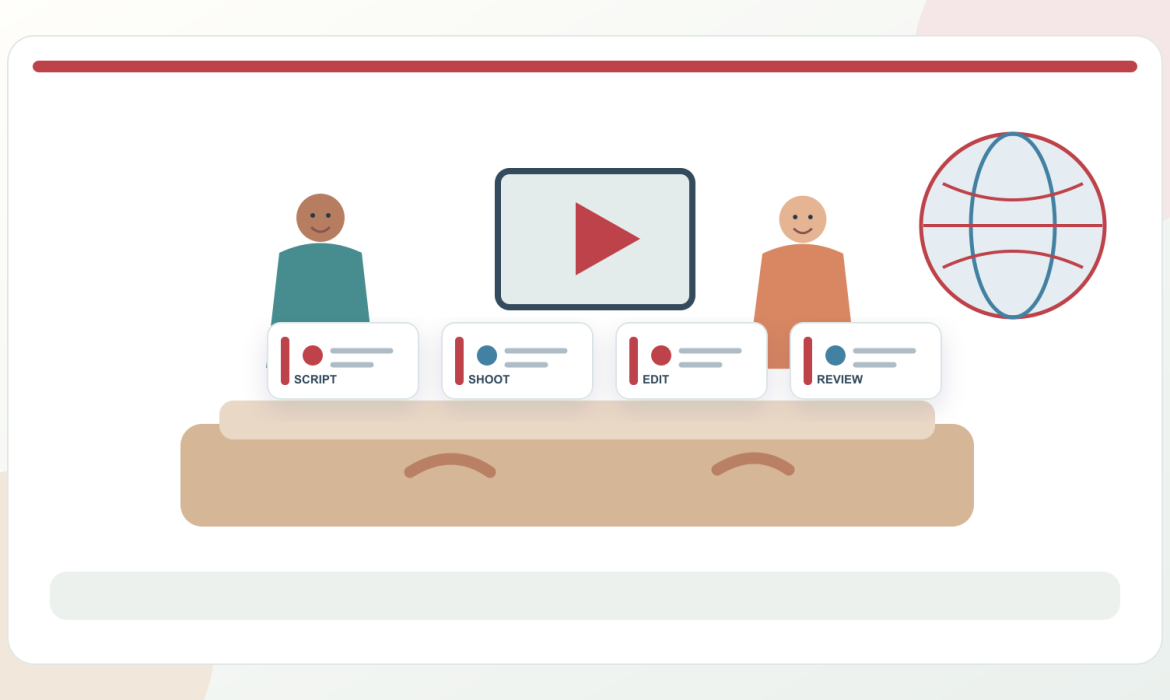
Direct answer: YouTube channel management pricing reflects how much of the production chain a provider owns. A strategy-only engagement is different from a package covering research, scripts, interviews, filming, editing, thumbnails, captions, publishing, rights administration, and reporting. To compare quotes, define video types and counts, runtime, shoot days, locations, language versions, revisions, source-file delivery, account access, and approval responsibilities. List travel, talent, licensing, tools, and paid media separately. A low price per upload can hide work the company must handle itself, while a larger package may bundle expenses. Evaluate a written scope and a small production test before committing to a longer schedule.
A producer does not price a video by looking only at its final runtime. The work may begin weeks earlier with a subject-matter interview, a product sample, a location plan, and a script that needs a technical reviewer. The public file could be eight minutes long; the production chain behind it could involve several roles, revisions, and permissions. That is why YouTube channel management pricing is easier to compare when the buyer follows the work from brief to handoff.
This article takes a production-coordinator’s view rather than presenting a generic rate card. The examples are planning scenarios, not client stories or industry averages. The supplied workbook does not contain verified vendor quotes, and no live keyword-volume data is connected to this work. The useful question is not “What does a YouTube agency charge?” in the abstract; it is “Which production responsibilities are included in this proposal, and which ones remain with us?”
First decide what “channel management” means for this project
The label can describe a narrow service or an end-to-end program. One company may want help organizing an existing library, another may need a monthly set of product explainers, and a third may need interviews filmed at an overseas facility. Those are different production problems. Write the business purpose, intended audience, market, and channel starting point before asking for a quote. The provider can then explain whether it is proposing a one-time channel plan, recurring editorial support, per-video production, or a combination.
Separate the things a supplier can deliver from the outcomes the company hopes to achieve. A team can commit to a briefing process, a script, an edit, captions, a thumbnail file, and a publication checklist. Audience response, recommendations, search placement, inquiries, and sales depend on other factors. The scope can still include measurement, but it should say what the report observes, when it is delivered, and which source owns each result.
It is also worth listing the internal resources available. Does a product expert have time for interviews? Can the company send samples? Is a safe filming location available? Who checks claims about performance, installation, materials, certifications, or compliance? A quote built on a client-provided interview and product footage is not directly comparable with one that includes expert scheduling, travel, and a full shoot.
Use a hypothetical production to reveal hidden work
Consider a fictional assignment: a manufacturer wants a video that walks a distributor through a piece of equipment. Before recording, someone must confirm the intended viewer, gather approved specifications, interview an engineer, decide which steps can be shown on camera, arrange access to the floor, and make a shot list. During filming, the crew needs to capture the product, the operator, safe working context, and enough alternate angles to make the explanation clear. Postproduction then adds a cut, graphics or callouts if approved, a thumbnail, captions, metadata, and a review cycle.
Now compare that with another fictional assignment: the company has a recorded webinar, a clean transcript, and a host who has already approved the material. The editor is asked to cut one section into a short educational video. Both jobs might be called “one YouTube video,” yet the first includes discovery, planning, access coordination, and a shoot while the second begins with existing source material. A single per-video number erases the difference.
The scenario does not predict a price. It gives the buyer a concrete way to ask a vendor what is included. A proposal should identify preparation, filming, editing, client review, file delivery, and publishing as distinct stages. If the provider offers one combined fee, it can still explain the labor and assumptions behind it. That makes future changes easier to estimate and prevents a production day from appearing unexpectedly as an extra charge.
Map the work into production stages
Break the job into gates, with an owner and a deliverable at each gate. A gate is not red tape; it is a moment when the next team can safely begin. The product specialist approves the facts, production confirms access, and the channel owner approves the publishing package. If a gate fails, the project manager knows whether to reschedule, request a new input, or document a change.
| Stage | Possible deliverable | Questions for the quote |
|---|---|---|
| Discovery | Audience brief, channel review, content goal | How many products, markets, experts, and meetings are included? |
| Editorial planning | Topic outline, interview plan, episode sequence | Is planning one-time or recurring? Who provides source material? |
| Script and fact review | Script, narration, shot list, approved claims | How many drafts and consolidated review rounds? |
| Preproduction | Shoot schedule, access plan, crew and equipment list | Who books sites, talent, travel, samples, and permissions? |
| Production | Recorded footage, interview audio, production notes | How many locations, days, setups, and on-camera participants? |
| Postproduction | Edited master, versions, thumbnail, caption files | What runtime, language, graphics, and source files are included? |
| Publication and review | Approved title package, upload record, performance review | Who publishes, which account roles are needed, and what is reported? |
Each stage can use a different billing unit. Discovery might be a defined setup project. A shoot may be quoted by day, crew, or location. Editing might be priced per approved master, runtime band, or version. Channel coordination could be monthly. Whatever unit is used, write the assumptions next to it. A reader should be able to tell whether “one production day” covers a single nearby location or a day involving travel, setup, and several filming areas.
Strategy and channel planning: ask what is actually delivered
Channel strategy can include audience definitions, editorial themes, a review of existing content, a publishing cadence, or a plan for organizing a series. Request the artifacts, not just the label. A provider might deliver a written brief, an episode list, a production calendar, or a meeting that ends with recorded decisions. Ask how much historical data it expects to review and whether the team will revisit the plan after the first set of videos.
Clarify whether the strategy fee covers a single brand and channel or several markets, products, and languages. A technical manufacturer may have separate audiences for operators, distributors, engineering teams, and procurement staff. The topics may overlap, but the examples and calls to action could differ. If a team expects a separate content stream for each audience, the quote should say so rather than hiding the editorial work inside an open-ended promise of “channel growth.”
A publishing cadence should follow production capacity, not just a desired calendar. If experts are available for one interview each month, the editorial plan should account for that constraint. If samples are difficult to ship or an installation site is available only at certain times, build those dependencies into the schedule. A realistic plan may be less ambitious on paper and more dependable in practice because each episode has a credible path from idea to approval.
Topic research and scripts need a fact owner
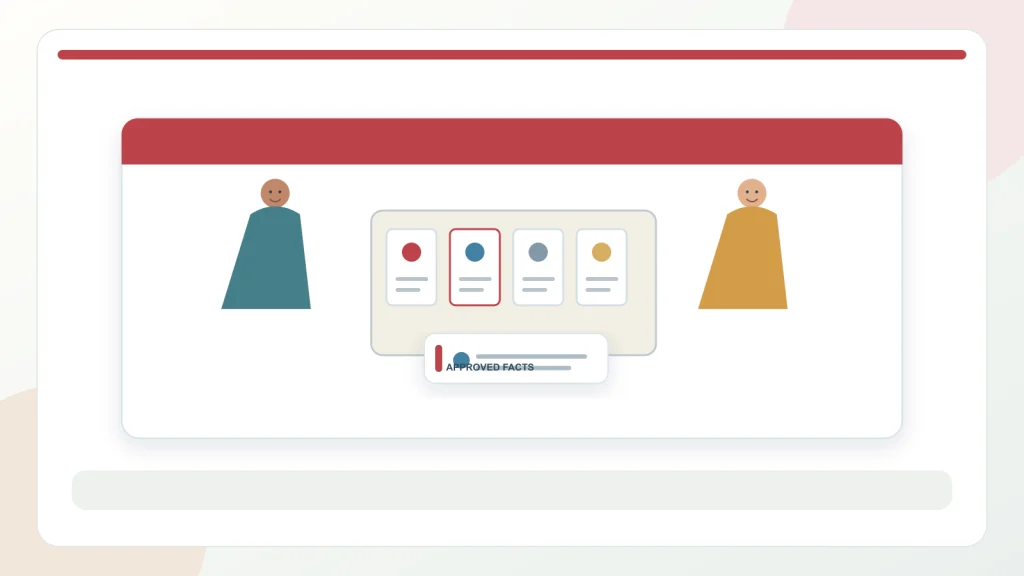
A script can include research, an interview outline, narration, on-screen wording, demonstrations, and a list of required shots. Ask which of these are included and who reviews the facts. A writer can make a technical explanation clearer, but the company should approve product specifications, safety instructions, certification language, capacity figures, comparisons, and claims about operating results. The subject-matter owner should be named before filming rather than asked to approve details after a polished edit has already been made.
Agree on revision mechanics. Count a revision round as one consolidated set of comments from the client, not an indefinite stream of new feedback. Separate correction of a factual error from a new creative direction after approval. Set a response deadline for each review gate, and define what happens if a reviewer is unavailable. Those details affect both the production timeline and the cost of keeping a crew or editor on standby.
Filming is a logistics problem as much as a camera problem
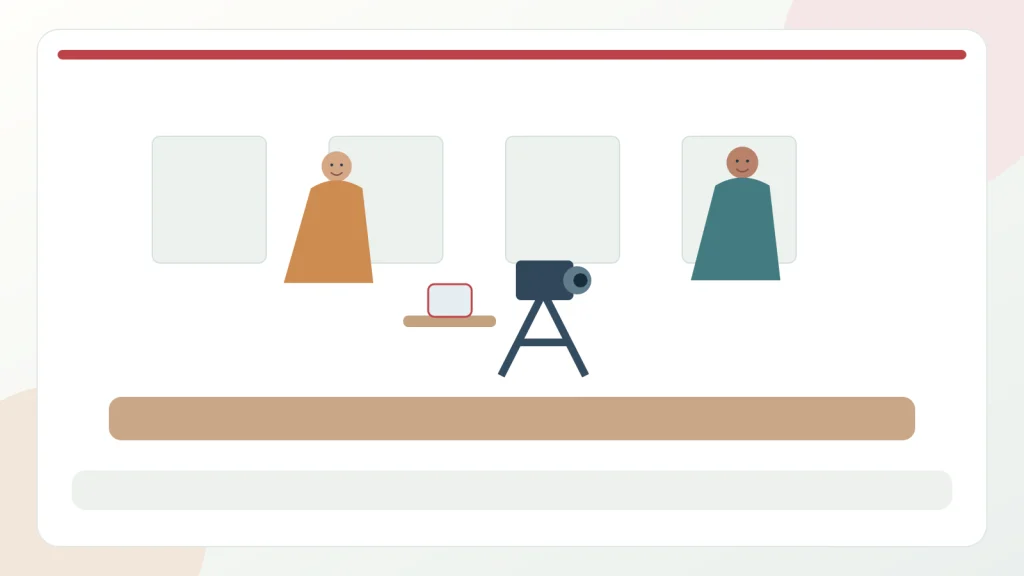
On-location production may involve access approvals, safety briefings, employee schedules, machinery availability, visitor rules, shipping samples, or coordinating an interpreter. A quote should identify the expected locations, shoot days, crew size, equipment, travel policy, and what happens when a location becomes unavailable. If an employee appears on camera, state who obtains permission and where the record is stored. If the company wants a host, presenter, or outside expert, clarify whether that person’s fee is included.
Preproduction can protect the shoot day from avoidable rework. A shot list says what must be captured; an interview plan identifies the questions; a schedule confirms the order; a location note records constraints; and a product checklist identifies the model or configuration that will appear. These may be compact documents, but someone must create and maintain them. Ask whether the provider handles that coordination or expects a client producer to do it.
Travel and location costs should be explicit. State who books transport and lodging, whether expenses are passed through at cost or quoted as a fixed allowance, and what requires prior approval. Include rescheduling, weather, equipment failure, and delayed access in the change process. This does not require the parties to predict every exception; it ensures they know who makes the call and how the cost is handled when plans shift.
Editing, graphics, thumbnails, and versions are separate deliverables
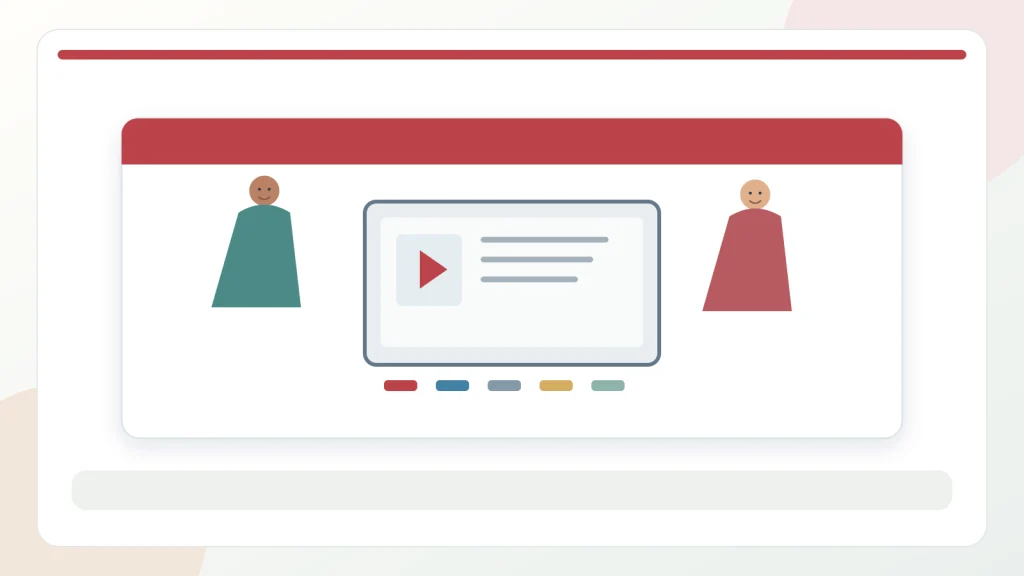
Postproduction may include a rough cut, final cut, audio cleanup, color work, approved graphics, lower thirds, subtitles, a thumbnail, and alternate lengths. Do not assume that every quote includes every item. Ask for the expected final runtime, aspect ratio, number of exports, caption language, graphic style, and revision rounds. Specify whether the company receives only the final file or also a clean master, raw footage, project files, transcripts, and separate caption files.
Thumbnail work should be defined as a design deliverable with a review process, not a promise of a particular click-through result. Ask whether the provider produces concepts, one selected image, alternate versions, or simple crops from the video. If the company has brand guidelines, supply them. Keep the thumbnail accurate to the video’s subject and approved claims; packaging should help the intended viewer understand the content, not imply a result the video does not show.
Short-form edits from a longer recording also require clear terms. A clip may need a fresh opening, reframing, captions, context, and a separate review. Some sections cannot stand on their own without the question or demonstration that came before them. Count each adaptation, language, aspect ratio, and caption version. “Repurposing included” is too broad unless both sides can tell how many finished assets it buys.
Accessibility and localization have real editorial steps
If captions or subtitles are part of the deliverable, state how they will be prepared and checked. Names, product models, units, abbreviations, and technical vocabulary are easy to mistype. The company can provide a terminology list and a reviewer who understands the product. For several languages, identify whether the quote includes a translation, an editorial adaptation, a voice recording, or a separate technical review. Each one has a different handoff and approval path.
W3C’s WCAG 2.2 Understanding guidance for prerecorded captions describes captions as text alternatives for speech and necessary sound information; WCAG 2.2 is dated October 5, 2023. This document helps explain the standard, but it does not decide which legal requirements apply to an individual channel, business, or market. Where compliance obligations matter, the company should ask a qualified reviewer to assess the specific context.
Localization can change pacing and examples, not just words on screen. A measurement may need a different unit, a product name may require a consistent pronunciation, and an analogy may not travel well. Keep a source script, target-language version, and approval record together. The quote should state how many versions are included, whether voiceover is in scope, and who pays for a correction after a source product fact changes.
Publishing and analytics should follow the handoff
Some providers deliver files and leave publishing to the client; others prepare titles, descriptions, captions, chapter notes, playlists, or upload schedules. Define which option is being purchased. If the provider publishes directly, identify the approved account role, review process, time zone, and final owner. Do not make an open-ended password handoff a substitute for the company’s account-access policy. Include an offboarding checklist that removes access and transfers the final files and records.
Measurement should be tied to the purpose of each video. A product walkthrough might aim to answer a recurring question; a customer interview might help a prospective buyer understand implementation; a training video might support existing partners. A single output metric will not describe every job. Ask for the report fields, review frequency, comparison period, and source of each metric. If the provider cannot see the company’s CRM or sales system, it should say so and avoid claiming that it has confirmed revenue.
Compare service formats before comparing totals
It can help to compare a few realistic engagement shapes rather than asking vendors to price an undefined “full service” package. A planning-only project may suit an internal team that already films. A production sprint may suit a company with a launch or a batch of expert interviews. A recurring channel program may suit a team that can supply reviewers and source material on schedule. These are procurement categories, not standard products or fixed price tiers.
| Engagement shape | Provider may handle | Client must plan to provide |
|---|---|---|
| Channel planning | Channel review, themes, sequence, production brief | Business goals, product experts, approval owner |
| Editing support | Cut supplied recordings into agreed finished assets | Usable source footage, transcript, rights, factual review |
| Production sprint | Preproduction, shoot coordination, filming, edit package | Location access, products, employees, safety contact |
| Recurring channel operations | Planning, production coordination, publishing package, reporting | Regular approvals, channel access, source facts, sales feedback |
| Multi-market adaptation | Script adaptation, captions, voice or language versions | Approved terminology, local reviewers, market decisions |
The formats can be combined, but a combined proposal should still name its assumptions. If the team already has a capable in-house producer, it may need less coordination and more editing capacity. If the company lacks a fact reviewer, it might need to budget internal time before paying for additional output. A provider that asks about these constraints is helping the buyer find a workable scope, even if the resulting quote is less visually impressive than a broad package description.
How YouTube channel management pricing maps to a quote
A useful price comparison records quantity, unit, included labor, client input, and exclusion for each line. It should be possible to adjust the assumptions—for example, one versus two shoot days—without losing sight of what changed. Ask the vendor to show a base scope and optional work separately. That helps the team see which additions are essential, which can wait, and which would require a change request.
| Line item | Quantity and unit | Included work | Exclusions or change trigger |
|---|---|---|---|
| Research and planning | Markets, themes, planning period | Brief, outline, editorial meeting | New products, extra markets, urgent campaign |
| Script and interview | Scripts, interview hours, review rounds | Draft, questions, shot list | New creative direction, extra expert sessions |
| Filming | Days, locations, crew, setups | Capture, production notes, equipment | Travel, permits, talent, reshoot conditions |
| Editing and graphics | Masters, runtime bands, versions | Cut, audio, approved graphics, thumbnail | Extra language, raw project files, extra revisions |
| Publishing support | Uploads or publishing packages | Metadata, captions, schedule, link check | Channel permissions, community response |
| Measurement and review | Reports, cadence, review meetings | Defined fields and observation window | CRM analysis, attribution modeling, paid media |
Use the matrix to compare total cost only after the units are aligned. If one quote has more shoot days or languages, either normalize the assumptions or keep those differences visible as a deliberate choice. If one provider proposes a cheaper initial scope but charges for the files the company needs to retain, include that in the decision. Avoid turning the comparison into an arbitrary score. A short written note on why a scope fits the team is more useful than a precise-looking rating with no defined basis.
A production coordinator’s pre-approval sequence
Before accepting a recurring commitment, use this sequence to confirm that the proposed calendar can actually run. It is intentionally practical: each step creates an artifact or decision the next person can check.
- Name the viewer and task. Identify the audience, market, channel purpose, and question the video should help answer.
- Choose the first deliverable set. Specify long-form videos, short adaptations, runtime ranges, languages, aspect ratios, captions, and thumbnails.
- Confirm source readiness. List products, recordings, documents, experts, locations, and permissions that must be available.
- Assign reviewers. Name the factual reviewer, brand approver, channel owner, and person who consolidates comments.
- Walk through one production calendar. Put briefing, script approval, access, filming, edit, review, and publication dates in sequence.
- Normalize the price units. Separate planning, writing, shoot, editing, versioning, publishing, rights, travel, and media costs.
- Inspect the rights and handoff. Record who receives masters, footage, project files, caption files, permissions, and account access.
- Set the review gate. Choose a pilot budget, date, delivery checks, measurement limits, and conditions for extending or revising the work.
One complete pilot can reveal whether a supplier’s coordination style fits the company. Look at factual accuracy, responsiveness, production readiness, version control, rights records, and whether the handoff leaves the client able to use the asset. The pilot should not be treated as proof that future views or sales will follow the same pattern. It is a way to test the operating system before increasing output.
Budget for rights, third parties, and production changes
A finished video can contain music, stock footage, a location, a spokesperson, a creator’s performance, or a customer’s words. The quote should say which permissions are included and for what use. Record territory, duration, organic or paid placement, editing rights, attribution, and any limits on distribution. A public appearance or post should not be assumed to grant unlimited reuse. If an outside contributor supplies an asset, retain the permission record with the final file.
Third-party charges may include travel, lodging, studio rental, voice talent, translation, transcription, music, archive footage, equipment, or a creator fee. Ask for estimates and a pre-approval threshold. State whether the provider bills at cost or adds a management charge, and how receipts are handled. A transparent expense policy is easier to reconcile than an umbrella line that blends supplier labor with vendor costs.
Agree on what changes the quote: a new location, an extra shoot day, a new language, a replacement script after approval, additional runtime, rush timing, or a changed product. The supplier should explain the effect on schedule as well as price. Sometimes the best response is to defer a change to a later episode; sometimes it is essential to the business. A written approval step gives the company a chance to choose deliberately.
What platform data can say—and what it cannot
Pew Research Center’s January 31, 2024 report, based on a May 2023 survey, found that 83% of U.S. adults surveyed said they use YouTube. This is broad U.S.-adult platform context. It is not a share of B2B buyers, a prediction for a particular channel, a measure of worldwide use, or a reason to set a production fee. A company serving industrial purchasers should use its own target market and audience evidence when deciding which videos to make.
Channel analytics can help a team inspect how its published material is encountered and watched, but each metric has a definition and a reporting context. When reviewing a thumbnail, distinguish the file delivered from its display and viewing outcomes. When reviewing traffic, distinguish channel activity from site sessions and sales records. A vendor’s monthly report should name its sources, observation window, comparison period, and known gaps so a manager can interpret it without inventing certainty.
For a business objective, pair a viewing signal with a next-step signal where the organization can observe one. A viewer may watch a technical explanation, visit a product page later, ask a distributor, or take no visible action. Offline paths are especially difficult to connect to a specific video. Ask sales staff what questions came up and whether the video was shared, but label those as qualitative observations unless a defined system records them.
Common production quote misunderstandings
“Two videos per month” does not say whether the service includes topic research, interviews, filming, editing, captions, graphics, thumbnails, upload support, or analytics. “Unlimited edits” does not say how many review rounds are practical or how late a new direction can be introduced. “Channel optimization” does not identify which fields or assets the provider will change. Replace each phrase with a count, file, decision, or review step.
Finally, make sure the person buying the service knows what the internal team must do. A recurring schedule can fail if an expert cannot review a script, a product is unavailable for filming, a market reviewer is not assigned, or the company waits several weeks to approve a cut. Capture those responsibilities in the same scope sheet as the supplier’s deliverables. The article of work has two production teams: the provider and the client.
Conclusion: price the production chain, not the upload
YouTube channel management pricing is most useful when it describes the production chain the company is buying. Define planning, scripts, interviews, filming, editing, captions, thumbnails, publishing, rights, account access, and reporting in units that can be checked. Keep travel, talent, licenses, tools, and paid media visible as separate costs. Then run a contained production test and review the workflow before setting a larger cadence.
Return to YouTube channel management pricing with one question in mind: does this proposal cover the people, approvals, and files needed to make the agreed videos responsibly? The answer should be clear from the scope and handoff plan. A quote that exposes its assumptions gives the company a sounder basis for investment than a standalone total or a promise about reach.Need to discuss production responsibilities?Contact Marketboo with your audience, video workload, and approval needs to discuss a suitable next step.
FAQ
What does YouTube channel management usually include?
Scope varies. It may cover planning, scripts, production coordination, filming, editing, thumbnails, captions, publishing, and reporting. Ask for a written list of deliverables and exclusions.
How is YouTube channel management pricing calculated?
Providers may price planning as a project, filming by day, editing by asset or runtime, and channel coordination monthly. The quote should state quantities, assumptions, and additional fees.
Is a price per video enough to compare providers?
Only when the production unit is the same. Compare research, scripting, filming, runtime, versions, captions, graphics, revisions, rights, and file handoff.
Are YouTube Shorts cheaper to produce than long videos?
Not automatically. A short asset may still need its own research, edit, captions, graphics, review, and permission checks. Define the source footage and deliverable count.
Should a YouTube agency guarantee views or rankings?
Treat forecasts as conditional assumptions. Ask what data, market, content, budget, and observation period support them, and do not confuse estimates with a guaranteed outcome.
Who should own the raw footage and project files?
The contract should state which masters, raw files, project files, scripts, captions, and permissions the company receives, along with any third-party restrictions.
Which metrics belong in a monthly report?
Choose measures tied to the video’s purpose, and label each source and time window. Keep platform data, website behavior, qualified inquiries, and confirmed sales distinct.
Planning a channel workflow with outside support? See Marketboo’s social media management service overview for a starting point on service scope.