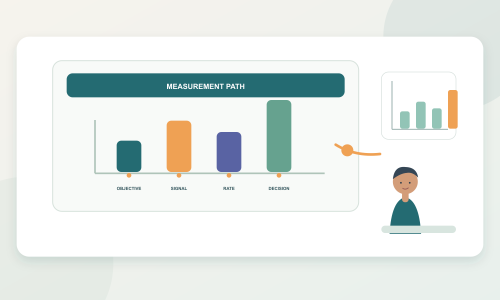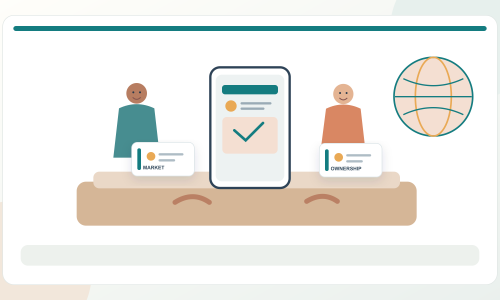

Social media management for franchises works when headquarters protects the brand and local teams have clear room to speak to their community. Headquarters should own the brand standards, account architecture, shared content, approvals, access rules, and escalation process. Locations should contribute local hours, events, staff expertise, customer questions, and timely updates within those boundaries. A centralized model can protect consistency but may feel generic; a fully distributed model can sound local but drift from brand and policy. Many systems need a documented hybrid, with one accountable owner, a defined approval time, training for managers, and a common reporting vocabulary.

Two locations, one holiday post
The national campaign image goes live on Tuesday morning. A location manager sees it and shares the same post, but the store is closing early for a local event. Another location copies the caption and adds a discount that headquarters did not approve. A third page remains silent because the manager is not sure whether a reply needs approval. The problem is not that local teams should never post. The problem is that no one knows which parts of the message can change and who can answer quickly.
Social media management for franchises is the operating system that helps a franchise brand coordinate public social accounts and content across headquarters and locations. It includes account ownership, roles, templates, localization, approval timing, community response, training, reporting, and escalation. It is not simply a national content calendar copied into multiple pages.
The goal is a brand people recognize and a location they can trust for accurate local information. That means headquarters has to define brand and risk boundaries, while each franchise location supplies facts that only it can verify: today’s hours, staff availability, events, local inventory, and the questions customers are asking. A good system makes those responsibilities visible before a post is scheduled.
Social media management for franchises needs a clear governance model
| Operating model | Headquarters controls | Location controls | Main strength | Main risk |
|---|---|---|---|---|
| Centralized | Accounts, calendar, copy, publishing, and replies | Supplies local facts and requests | Strong consistency and easier central review | Local content can be slow or generic |
| Distributed | Brand guide, training, and escalation rules | Creates, approves, and publishes most posts | Fast local response and community knowledge | Inconsistent tone, claims, and account security |
| Hybrid | Shared standards, account governance, campaign assets, sensitive topics | Local hours, approved event details, community context, selected posts | Balances scale with local relevance | Requires clear boundaries and a working approval path |
These are operating models, not platform settings. A brand may centralize paid advertising and still allow store-level organic posts. Another may use a shared content library with local approval. Define the actual decision rights instead of using the model name as a substitute for a process.
A quick responsibility map
| Work item | Headquarters | Franchise location | Approval needed? |
|---|---|---|---|
| Core brand voice and visual standards | Owns and updates | Uses and flags gaps | Yes, for a material brand change |
| Local hours and closure updates | Provides tool and format | Verifies the current facts | Usually no additional brand approval if within the template |
| National offer or promotion | Confirms terms and approved copy | Confirms local participation and availability | Yes, before public use |
| Local event | Sets guardrails and required fields | Provides event details and response owner | Based on risk, market, and brand policy |
| Customer complaint | Sets escalation path and response boundaries | Acknowledges and routes the local facts | Escalate sensitive or unresolved matters |
| Account access | Owns architecture and role rules | Requests only needed access | Yes, by the designated account owner |
| Performance report | Defines shared measures | Supplies local context | Shared review |
Treat this map as a starting point. Different franchise agreements, industries, and jurisdictions can create different responsibilities. Have the organization’s qualified franchise, legal, and compliance reviewers confirm the governance model before it becomes policy.
Put the account architecture on paper
Before publishing a new location page or assigning roles, decide who owns the brand-level assets and how each location is represented. Document the official page name, public contact route, location identifier, manager role, backup owner, and process for a franchise transfer or closure. Keep a record of who can add administrators, remove access, edit a business profile, or publish on each page.
Do not share a single password across a network to save time. Use each platform’s current access and business-management tools, then follow the company’s security and franchise policies. A location manager may need permission to draft or respond without needing control of payment settings or ownership. Separate the tasks and grant the least access that lets the manager do the approved work.
Meta’s current business materials and help documentation should be consulted for account and page-management controls, because the interface and available roles can change. TikTok, Instagram, YouTube, Reddit, and LinkedIn each have their own account structures and permissions. A multi-platform guide should name the specific controls being used and the date they were checked; it should not assume that a role on one service maps exactly to a role on another.
Location page decision
Not every location needs every social account. Consider whether the location has enough local information, content, staffing, and response capacity to maintain a page. If a page is unlikely to receive regular attention, the brand may be better served by a central account that directs users to a reliable location directory. If each store has a meaningful local community and a manager who can respond, a local page may provide value.
Ask four questions before opening a page: Who will own it? Who will publish? Who will answer customers? What happens when the manager leaves? If any answer is missing, resolve the operating model before opening the account. An unmanaged page can display incorrect hours, unanswered complaints, old promotions, or former staff with active access.
Build a content system with a local layer
A practical content calendar has three layers. Brand-wide content communicates the same product, event, or company message across the network. Local content reflects a specific neighborhood, team, event, or service detail. Responsive content addresses an emerging question, customer concern, or timely update and may require a faster approval path.
Headquarters can provide a campaign kit containing approved copy, images or video, dates, offer terms, required disclaimers, available local fields, and the location-specific destination. The location should not need to interpret a long brand document every time a national post arrives. A one-page instruction can say: what cannot change, what can be localized, what must be verified, and who approves an exception.
Local posts need a real local fact. Replacing the city name in a generic caption is not meaningful localization. A stronger local post might answer a question heard by staff, show a location-specific event, introduce a team member with permission, or clarify current hours. Avoid asking staff to invent testimonials, claims, or customer experiences. Local authenticity comes from accurate detail, not from pretending a template is spontaneous.
Localization rules that are easy to follow
- Keep product names, brand marks, and approved descriptions consistent.
- Allow location-specific hours, addresses, event dates, and service availability only after a local manager verifies them.
- Require central approval for new claims, discounts, guarantees, comparative statements, or uses of third-party content.
- Keep captions readable and answer the reader’s question before adding promotional copy.
- Use an approved local photo or video only when the business has permission for the intended use and any relevant people or marks are reviewed.
- Link to a page that reflects the same market, location, offer, and next step as the post.
- Record the post date, account, owner, and review status in the shared calendar.
These are operating recommendations. A company should adjust them for its industry, franchise contract, market, and current platform rules. If a post includes a regulated or sensitive claim, do not rely on the local manager to make the legal decision without appropriate training and review.
Set an approval service level that locations can trust
An approval process that says “send it to HQ” without an owner or timing expectation is a bottleneck, not governance. Define which posts require approval, who is the backup reviewer, how urgent requests are marked, and what happens when the reviewer is unavailable. The service level can differ by post type: a standard hours update may have a self-publish path; a new promotion may require central review; an allegation or safety issue may require immediate escalation.
Choose a review window that fits how the business operates. For example, headquarters might agree to review a routine local event post by the next business day, while a time-sensitive correction has a named rapid-response contact. The exact period should come from staffing capacity and risk, not an invented industry benchmark. Publish the expectation in the manager guide and train both sides to use it.
Use a simple approval record: post draft, account, location, proposed date, content type, supporting facts, asset source, reviewer, decision, and revision notes. If a post is rejected, say what needs to change. “Not on brand” is not actionable unless the reviewer identifies the specific issue, such as an unapproved price, missing context, or a destination that does not match the offer.
Train the people who actually publish
Headquarters should not assume that a PDF brand guide is training. Managers need to practice writing an approved local-hours update, responding to a routine question, recognizing a sensitive issue, and requesting an exception. A new manager should know where the current templates live, how to request access, and how to remove access when an employee leaves.
Make the learning job-specific. A staff member who only uploads preapproved content needs a short workflow and escalation rules. A local marketing lead may need deeper practice in content planning, community replies, image permissions, and reporting. A central reviewer needs consistency checks and a way to explain decisions in clear language. Match the training to the role and avoid giving every employee the same permissions or responsibilities.
For a training exercise, present three sample posts: an approved event announcement, a discount with missing terms, and a customer complaint with personal details. Ask the manager to decide which can be posted, which needs a fact check, and which should be escalated. The scenario is more useful than asking someone to memorize a brand slogan.
How to onboard a new franchise location
- Confirm the location facts. Verify the public name, address, hours, contact route, service area, and any local terms that must appear on the page.
- Decide whether a local account is useful. Assess content capacity, community need, response coverage, and who will own the page. Do not create accounts that no one can maintain.
- Assign ownership and roles. Name the central owner, local manager, backup contact, approver, and access-removal process. Use platform roles instead of shared passwords.
- Deliver the launch kit. Provide approved profile details, brand assets, local content fields, page links, response rules, and the latest platform guidance.
- Train the manager. Practice a standard post, a local edit, a reply, an approval request, and an escalation scenario. Confirm that the manager understands what cannot be changed.
- Review the first posts. Check the location page, link, account identity, hours, copy, and image permissions before announcing the page widely.
- Schedule a first-month check. Review whether the page is active, whether customers receive answers, and whether the approval process is workable.
- Document handover. Store the access owner, current manager, backup, training completion, and page URL where headquarters can update the record when staffing changes.
The checklist is intended for operations planning. It does not replace franchise agreements, platform rules, employment policies, or qualified legal review. Each brand should confirm how these responsibilities fit its specific network.
Community response and escalation
Give local managers a practical response guide. Routine questions about hours or services can often be answered with verified local facts. A complaint about a specific visit may require the manager to acknowledge the concern and route details privately through the approved support channel. A safety allegation, threat, request involving sensitive personal information, legal demand, or press inquiry should follow the organization’s escalation procedure.
Do not ask staff to argue publicly, disclose customer information, promise a remedy they cannot approve, or delete a critical comment solely because it is uncomfortable. The social media guide should explain which responses can be handled locally and who to contact for sensitive issues. If the franchise operates in multiple jurisdictions, the company should have qualified reviewers confirm any legal or disclosure guidance it provides.
Set response coverage before campaigns go live. A post promoting a local event should have a person who can answer practical questions while the event is happening. A page that invites inquiries should have a route for handing them to the store. If no one is available, adjust the call to action or use a central customer contact route rather than implying immediate local support.
Measure local activity without creating a leaderboard trap
Headquarters should give locations a small set of consistent metrics and a clear definition for each. The team might track posts published, response time, profile actions, link clicks, inquiries, or an agreed business outcome. A metric is useful only if locations collect it consistently and understand its limitations. A post count does not mean the content was helpful, and a high reach does not prove that customers visited the store.
Compare locations carefully. Size, local demand, staffing, seasonality, event calendars, and account age differ. A raw ranking can punish a smaller store for factors outside its control. Use local context and trends over time; invite managers to explain what they learned from customer questions and which content they can repeat. If a location has weak results, check process and business conditions before concluding that the manager failed.
Create a monthly review with three fields: what was published, what customers did, and what the location recommends next. Headquarters can summarize common questions, identify useful content, and update templates. The location can provide context that a central dashboard cannot: a local event changed traffic, a service was temporarily unavailable, or customers repeatedly asked about a particular feature.
Common franchise social media problems
One national calendar for every market
A shared calendar helps coordinate timing, but it should leave room for local facts. If every post sounds identical and no location can update hours or events, the brand sacrifices relevance. Add approved local fields and clarify the review rules.
Too many account owners
When everyone is an administrator, no one is accountable. Keep ownership with the appropriate business entity or central team, assign roles based on need, and review access when staff change. Maintain a backup owner so the page is not stranded during turnover.
Approval requests have no response window
Managers eventually bypass a process that blocks time-sensitive work. Name reviewers, publish expected turnaround, provide an urgent escalation route, and make low-risk post types easier to approve.
Local posts make unsupported promises
A manager may want to be helpful and write a guarantee or promotion that headquarters has not approved. Training should explain the boundary and give a fast route to get an answer. Do not ask staff to make claims beyond the approved materials.
Success means only posting more often
Frequency is not a substitute for relevance, response, or business value. Review whether customers receive accurate information, whether the location can maintain the page, and whether posts support a defined next step.
Marketboo’s full social media management service may be useful when a franchise needs help coordinating central and location-level work. Ask how account ownership, location approvals, local content, manager training, reporting, and escalation would be handled. The franchise should retain clear ownership and review any operating model against its own agreement and policies.
Exception handling for local changes
Local conditions change faster than a national calendar. A storm can close one location, a community event can move, a service may become temporarily unavailable, or a manager may discover that an offer does not apply in that market. Give locations a way to make urgent corrections without waiting for a long approval cycle. The correction process should name who can verify the local fact, who can publish it, and who must be informed afterward.
Distinguish a factual correction from a new marketing claim. Updating a verified closing time may fit a preapproved local path. Announcing a discount, guarantee, health or safety statement, or customer result may require additional review. The guide should make the boundary concrete through examples. If managers cannot tell which category a post falls into, give them a fast escalation contact rather than expecting them to infer policy from a slogan.
Keep a record of exceptions with the location, platform, post, change, reason, approver, and follow-up date. Review that register monthly. Repeated exceptions may indicate that a template is missing a local field or that headquarters is approving too slowly. The goal is to improve the system, not to punish managers for pointing out a real operational need.
Plan for staff turnover. When a manager changes roles, the outgoing owner should hand over current page access, scheduled posts, unanswered messages, and local content files. Headquarters should confirm that the next manager received training and that old permissions were removed. A small handover checklist can prevent a location page from becoming disconnected from the people who serve the community.
If a page must close or merge, explain where customers can find current information. Update the profile, pinned content, location directory, and links according to platform controls and business policy. Retain only the records the organization needs, and ask the appropriate owner how to handle any customer information in messages. Do not leave a page that implies a location is open when it has permanently closed.
Keep location pages usable and accessible
An active page should make basic information easy to find. Use a recognizable location name, current address or service area, verified hours, and a working route to contact or book. Write captions in plain language and avoid placing essential details only inside an image. Add descriptive alt text to meaningful images when the platform supports it, and review text contrast and caption legibility in the format where the post will appear.
These are practical publishing checks, not a statement of legal compliance. A franchise operating in different markets should ask the appropriate accessibility or legal reviewer which obligations apply. Central templates can help by including a field for image descriptions and a reminder to verify location details, but a checklist does not replace a proper review.
Use a pre-publish preview on a phone-sized screen. Check that the location, offer dates, call to action, and destination are still visible. If an image contains small text, provide the key information in the caption as well. The local manager should have an easy way to flag a template that does not fit a particular event or language.
Questions about social media management for franchises
Should a franchise have one social media account or one for every location?
Choose based on local content value and operating capacity. A location page can help when the store has accurate local information and a person who can respond. A central page may work better when locations cannot maintain their own accounts. Document ownership and handover either way.
Who should control franchise social media accounts?
The organization should define an account owner, central administrator or brand contact, local publisher, and backup. Roles should match tasks and company policy. Do not use shared passwords as a substitute for account governance.
How can headquarters keep franchise posts on brand?
Provide clear voice and visual standards, preapproved assets, local fields, examples, prohibited edits, and a named approval path. Train managers with realistic scenarios and explain why a post needs revision.
Can franchise locations customize corporate social media content?
They can localize approved fields such as hours, events, or verified service details when the brand allows it. New claims, discounts, guarantees, or third-party content should follow the company’s review rules and qualified guidance.
How often should a franchise location post?
There is no universal posting frequency that suits every location. Set a cadence the team can maintain with useful, accurate content and timely replies. Review quality, customer response, and staff capacity rather than chasing a fixed count.
How should a franchise handle a negative social media comment?
Use a response guide that distinguishes routine feedback from safety, privacy, legal, or media issues. Acknowledge the concern within the approved scope, route sensitive details through the proper channel, and do not disclose personal information or make unauthorized promises.
How can headquarters measure local social media performance?
Use shared definitions, consistent reporting periods, and a small set of metrics tied to customer actions. Add local context such as seasonality, events, staffing, and service availability. Avoid ranking locations on raw reach or post count alone.
Conclusion: Set the guardrails, then make local work possible
Social media management for franchises is a people-and-process system as much as a content plan. Headquarters needs to define the account owner, brand rules, approval service level, training, and escalation path. Each location needs a practical way to share verified local information and answer customers within its role. Start with a hybrid model only if the boundaries are clear, then review whether managers can use the process without workarounds. If you need help designing that operating model, talk with Marketboo about franchise-ready social media support and document which responsibilities remain with headquarters and each franchisee.