

Quick answer: Practical Meta Ads training should take learners from asset roles and a defined business event through audience and creative choices to a supervised draft and a clear report. Ask what participants produce, where they practice, who reviews the work, and how errors are handled. The course should teach the reasoning behind each choice and how to verify current instructions, rather than rely on a button tour. For an exporter, the exercise should connect a supported market, buyer need, approved offer, destination, and sales owner. Training can build skill, but cannot promise reach, leads, or revenue.
For market context, IAB and PwC reported $259 billion in U.S. digital advertising revenue in 2024, a 15% year-over-year increase. [9] The figure describes the U.S. digital ad industry, not Meta Ads training, export lead costs, or a predicted result for any advertiser.

Start in the middle of a task, not at the first slide
Picture a trainee opening a practice brief: an industrial supplier wants to learn whether a technical guide is a useful first offer for prospective distributors in one market it can serve. Before anyone chooses a placement or writes a headline, the team has to answer a string of ordinary but consequential questions. Which business owns the advertising assets? Who may work in the account? What information can the learner access? What action should the landing page support? Who will decide whether an inquiry fits the company’s sales process?
That is a better starting point for a hands-on class than a tour of buttons. Platform labels are easier to remember when attached to a business decision. A student who knows why an event exists can later find where the platform exposes it; a student who only memorizes a menu may be lost after an interface update. The course should therefore teach learners how to locate current official help, test an assumption, and record the version or date of any instructions that may change.
The exercise here is hypothetical. It does not describe a Marketboo customer or a measured campaign. Its purpose is to demonstrate the kind of work a learner should be asked to show. Before moving into an actual company account, a manager must approve the purpose, access, data, spend, and stop conditions. A training provider should be comfortable teaching the same reasoning in a demo environment or a clearly labeled scenario when a business does not authorize live practice.
Who benefits from practical Meta Ads training?
The course is a fit for a junior paid-media operator who will build or review campaigns, a generalist who has inherited a marketing account, a sales-and-marketing team that needs shared terminology, or a manager who must supervise an external partner. The required depth differs. A beginner may need to recognize a campaign, ad set, creative, destination, event, and report. A working operator may need to diagnose why an event is missing or why a draft does not match the brief. A leader may need a review checklist and clear decision rights more than a full technical lab.
Some prerequisites belong to the business rather than the student. Someone should identify the legal entity and asset owner, authorize the people who can enter the workspace, approve what may be published, define a limit for any paid activity, and specify what customer information is permitted in class. The learner also needs a product owner who can confirm claims, a market owner who can confirm serviceability and language, and a sales contact who can describe what happens after a form arrives. Without those inputs, the trainer should teach with fictional data and make the missing decisions visible.
A team should also decide whether the class is for learning or production. A production workshop makes changes to a real account and therefore needs explicit permission, an approved work plan, and an authorized operator. A learning lab can use a demonstration account, instructor-led screen share, offline worksheet, or synthetic report. Mixing the two modes without saying so creates confusion: a learner might assume a classroom experiment is a recommendation to publish or spend.
Course outline: six connected practice stations
NIST’s 2024 guidance for cybersecurity and privacy learning programs uses defined audiences, learning goals, and evaluation across a program lifecycle. [10] That is an instructional-design analogy, not a paid-media syllabus. A Meta Ads class should translate those general ideas into current, verified platform material and reviewable business exercises.
A strong workshop moves through a sequence, while leaving room to revisit an earlier decision when later evidence exposes a gap. Each station should end with a learner-created artifact. That artifact gives the instructor a way to give concrete feedback and gives the company something to use after class. The artifacts below are examples of a sensible curriculum, not a claim that every provider already delivers them.
| Station | What the learner practices | Artifact to review | Readiness question |
|---|---|---|---|
| 1. Business context | Define buyer, supported market, offer, destination, and sales handoff. | One-page campaign brief with assumptions separated from verified facts. | Can the company serve the intended market and respond to the intended action? |
| 2. Asset and access map | Identify the business portfolio, page, ad account, data sources, and authorized roles relevant to the exercise. | Ownership and permission diagram; no credentials written into the worksheet. | Does an accountable owner approve access and changes? |
| 3. Measurement design | Map the desired action to a defined event and describe how it is checked. | Event dictionary with name, trigger, owner, destination, and validation note. | Does the event represent the action the business actually cares about? |
| 4. Audience and offer | Turn market knowledge and buyer needs into a reasoned targeting hypothesis. | Audience rationale and offer statement, including constraints and exclusions. | Is the idea grounded in buyer knowledge rather than a platform guess? |
| 5. Creative and destination | Draft a compliant, specific message and check that the landing page delivers on it. | Creative brief plus a destination-page review. | Can the business substantiate each product statement? |
| 6. Review and learning | Read a report, identify a discrepancy, and propose a bounded next step. | Decision memo separating observation, hypothesis, and action. | Can the learner say what remains unknown? |
Station one: agree on the campaign brief
Ask each learner to describe the business problem in one sentence without using a platform objective as a substitute. “We want more leads” is not yet a full brief. A stronger version names the buyer, the market the business can serve, the offer, the destination, and the employee responsible for responding. The class should define what counts as an inquiry and what additional information makes it qualified for the company’s next step. These are local business definitions, not universal platform definitions.
Next, list what is known and what still needs approval. Product specifications should come from an authorized product source. Shipping availability should come from the people who manage fulfillment or export operations. Language and claims should be reviewed by someone who can judge them. A course should teach trainees to mark a missing fact as a question instead of filling the gap with marketing language. This habit reduces downstream edits and makes the campaign rationale easier for a manager to inspect.
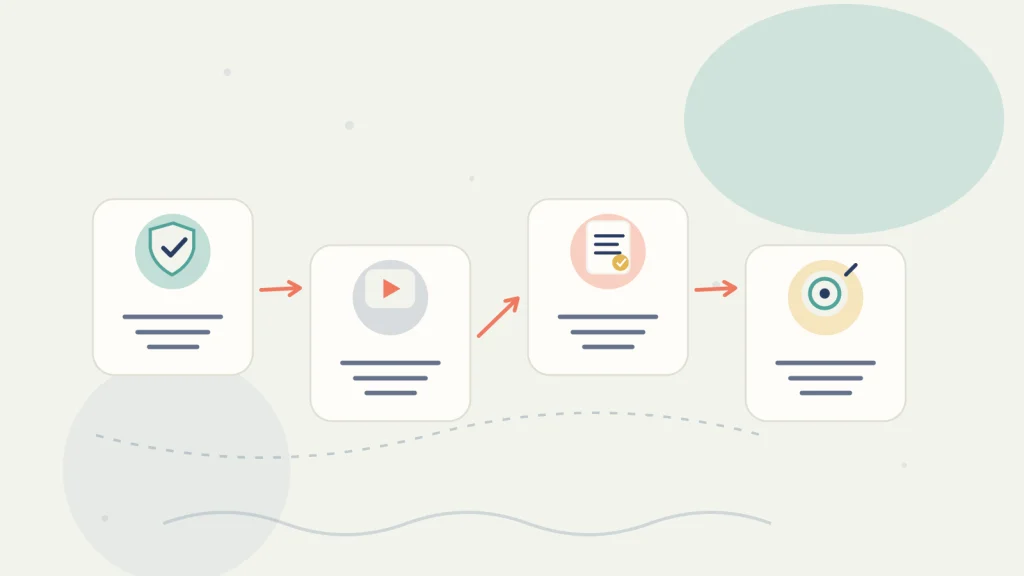
Station two: map business assets and permissions
Asset mapping is a practical exercise in ownership, not a scavenger hunt for passwords. The learner should be able to identify which business owns the page, advertising workspace, payment arrangement, and measurement resources relevant to the lesson. They should know which person can approve access and which role allows the task being practiced. A provider should never ask students to disclose personal login credentials as a shortcut to instruction. The business can provision access through its approved process when live practice is justified.
Before a lesson touches business assets, ask the instructor to identify the current first-party guide used, record its last-updated date when shown, and explain which account assumptions matter. Treat screenshots as examples, not permanent setup instructions.
| Check | What to document | When to stop |
|---|---|---|
| Ownership | Business or person responsible for the asset and the approving contact. | No one can identify who controls the workspace. |
| Purpose | What training task requires the access and what is out of scope. | Access requested “just in case” with no defined task. |
| Role | Minimum access required for the approved exercise. | The provider asks for broader privileges than the task needs. |
| Spend | Whether any paid action is allowed, who approves it, and the cap. | Spend authority or billing responsibility is unclear. |
| Exit | Who removes access and when, and how work products are returned. | No end date or removal owner has been agreed. |
Station three: design an event map before opening a dashboard
An event is a recorded action or milestone used in a measurement workflow. The term sounds technical, but the first task is semantic: decide what action matters and how the business recognizes it. A page view, a resource request, a completed form, a sales-accepted inquiry, and an order are different stages. If the team calls all of them “conversions,” a report can look precise while answering an ambiguous question.
Build an event dictionary with plain-language names. For each item, record the business definition, where it happens, which team owns the underlying information, what evidence confirms that the event fired, and who reviews it. In a fictional exercise, the class can use sample values clearly marked as invented. When a real site or real inquiry data are involved, the company must review its access, privacy, consent, and retention rules with the right internal or qualified experts. A teaching session is not a substitute for that review.
A useful course asks learners to state what the chosen measurement setup can and cannot show. Ask the instructor to identify the current first-party guide used for a demonstration, note its date when available, and list the event-definition, testing, privacy, consent, and reporting assumptions that require separate review.
Station four: turn market knowledge into an audience hypothesis
Audience work should start with evidence the company has a right to use: product fit, buyer interviews, sales conversations, distributor feedback, and the countries or regions the business can support. A campaign platform can help distribute a message, but it cannot tell a team which exporter relationship is commercially viable. The trainee should describe why a person might care about the offer and what the company knows about that person, then distinguish evidence from assumptions.
Next, write a hypothesis that can be reviewed. “A technical guide may be useful to maintenance managers evaluating replacement valves” is a working idea; it is not a verified market finding. The class should state which source informed the idea, what part needs confirmation, and what result would be relevant to the learning objective. The instructor can then show how that idea maps to the platform’s current audience options, without pretending that an audience setting creates buyer intent.
For international campaigns, teams often need to consider language, time zone, shipping capability, local terminology, and the person who will handle inquiries. These considerations belong in the brief and landing page as much as in targeting. A broad audience can waste learning time if the offer is not usable in the selected region. A very narrow audience can also create problems; the team should learn to inspect the assumptions and eligibility rules rather than memorize an arbitrary size.
Station five: align the creative and the landing page
Creative practice is more than producing a pile of formats. Have the learner write one buyer-facing message and underline every factual statement. Each underlined detail needs an approved source: a product sheet, technical review, warranty terms, shipping statement, or other company record. The class should also identify opinions, estimates, and calls to action so that a reader can tell what is proven and what is framing. A reviewer should challenge a claim that sounds broader than its evidence.
Then inspect the destination as if you were the buyer. Does the headline match the ad? Does the page explain the product, application, company, and next step? Is the requested information proportionate to the offer? Is there a clear way to contact the company? Does the page state important constraints? A training assignment can identify these questions without claiming a conversion rate or asserting that one layout is universally better.
Export teams should check whether the destination works for the intended market and buyer. Product terms may differ by region; delivery scope can be narrower than the campaign audience; technical downloads may need a follow-up path; and a form submission may need an owner during the buyer’s working hours. These are operational details the learner should surface. The trainer should not invent availability, certifications, inventory, or customer proof to make the exercise look polished.
Give participants a one-page creative review sheet: audience and need; approved product facts; offer; key message; destination; visual direction; language reviewer; action requested; and unanswered questions. Ask a peer to check the message against the destination and flag any mismatch. In a lab, this peer review is often more instructive than a lecture on every placement because it connects the ad to the experience after the click.

Station six: diagnose a report without overclaiming
Reporting practice should begin with a fictional or authorized report whose context is visible. The learner needs to note the date range, filters, campaign status, event definition, and comparison period before interpreting values. The class should distinguish platform-reported activity from business outcomes recorded by the sales team. A submitted form may be a useful operational signal, but it does not by itself establish a qualified opportunity, a sale, or the incremental effect of the ad.
Teach a three-column note: observation, possible explanation, next check. “The event count is lower than expected” is an observation. “The form may have changed” is a possible explanation. “Compare the page version and event test before making a campaign change” is a next check. The student should list at least one alternate explanation. This framework reduces premature conclusions and can be used across platforms and reporting tools.
When a discrepancy appears, check mundane things first: time zones, date ranges, event naming, filters, duplicate triggers, site changes, delayed sales updates, and whether the report includes the relevant campaign. The instructor should show how to consult current first-party help when a product-specific detail matters. A student should also know when to stop and ask a data owner or engineer rather than changing a live setup on a guess.
How to run a supervised Meta Ads practice lab
The following sequence makes a training session concrete and reviewable. A provider can adapt the order to the audience, but each step should result in a piece of work or a documented decision. The steps are an editorial recommendation for teaching; platform procedures and interface labels should be checked against current first-party guidance before a live build.
- Set the learning task. Write the job the trainee should be able to perform afterward, the company context, and the decisions that remain with a manager.
- Prepare the practice materials. Choose a fictional case, demo environment, or explicitly authorized account. Remove unnecessary customer information and label invented values.
- Map the business and assets. Name the asset owner, access approver, buyer, supported market, offer, destination, and sales follow-up owner.
- Define the event in plain English. Describe the user action and the business meaning, then note how the signal would be checked under the approved setup.
- Draft an audience and creative hypothesis. Connect it to supplied evidence and identify assumptions that need approval.
- Build or storyboard the campaign. Use current official help for changing interface details; record each consequential choice and avoid publishing or spending without approval.
- Review the destination and claims. Match the message to the page, verify product statements, and check that the next step has an operational owner.
- Read a report and diagnose one issue. Record the context, observation, alternate explanations, and next check before recommending any change.
- Present a decision memo. State what was learned, what remains unknown, who owns the next action, and what permissions or reviews are needed.
- Close the access loop. Confirm saved work, access removal or continuation under company policy, and the follow-up review date.
What a trainer should do when the setup breaks
For a measurement issue, begin at the user action and trace toward the reporting view. Check whether the action is defined, whether the expected page or form is in scope, whether the event source is the one described in the exercise, and whether the report context is correct. Avoid instructing students to install code, change consent settings, or send customer data without a qualified person and the business’s authorization. Those steps can have technical and privacy implications beyond an advertising lesson.
For an account or asset issue, stop before guessing at ownership. Ask who created the asset, who administers it, and which company process grants access. Do not try to work around missing authorization by sharing a personal password or using someone else’s credentials. The trainer can record the problem and continue the learning exercise with a diagram, screenshots approved for instruction, or a synthetic case.
For a creative issue, return to the evidence. Mark the specific words or image that need review, find the approved source, and ask the relevant product or legal reviewer to decide. An instructor may teach a review process but should not improvise product specifications, customer endorsements, or jurisdiction-specific legal advice. A useful trainer is willing to pause an exercise when the needed evidence is not present.

How to tell whether the practice is genuinely hands-on
Ask for a sample assignment before enrolling. It should show the inputs, the work the learner completes, the feedback standard, and what a finished artifact looks like. It need not expose another student’s personal information or business data. A generic slide list is not enough to demonstrate practice. The sample should reveal whether the course helps a trainee reason through an actual workflow or simply watches an instructor perform it.
Find out what happens when the student is wrong. Does the trainer point to the faulty assumption, explain the evidence needed, and let the learner correct it? Or do they quietly replace the work and move on? Constructive feedback should identify the decision, the reason it needs attention, and a method for improvement. A rubric might assess the brief, asset map, event dictionary, creative consistency, report interpretation, and ability to identify unknowns.
Finally, make the boundary of support explicit. If the course includes follow-up, request the channel, duration, expected response window, permitted questions, and exclusions. “Lifetime support” can mean very different things. A defined office hour or review of one artifact is easier to evaluate than a broad promise that has no stated end or scope.
Common training designs that leave a gap
- Button tours without a brief: learners see controls but do not understand why a campaign exists or how the destination fits.
- Live-account pressure: students are asked to publish or change spend before roles and approval are clear.
- Pixel-first teaching: the class discusses technical events before defining the business action those events are meant to represent.
- One-size audience recipes: a trainer gives a universal targeting formula without the exporter’s buyer, service region, or product context.
- Screenshot-only instruction: static visuals are treated as current interface directions without version notes or a way to find official updates.
- Dashboard certainty: platform-reported actions are described as qualified revenue without a reconciliation step with the business’s own records.
- Unbounded access: learners share logins or customer records because the session has not defined an approved practice method.
- No feedback artifact: everyone attends, but nobody can show what they learned or what they should improve.
These are warning signs to discuss with a provider, not proof that every short course is poor. A short session can be valuable when the objective is narrow, such as reviewing a campaign brief or learning how an event is validated. The learner should be able to tell what the course does and does not cover before paying.
Compare training options by the work they support
Training, consulting, account coaching, and managed execution can all be useful, but they solve different operating problems. The selection question is not “Which option is best?” It is “What work is missing, who should own it, and what evidence will show that the service delivered the agreed scope?” A practical provider should be able to say whether participants do the work, whether an expert reviews it, and whether the provider will make changes in the account.
| Format | Typical learner or team role | Deliverable to define | Questions to ask |
|---|---|---|---|
| Recorded course | Learner studies independently. | Lessons, exercises, and any assessment. | How current is the material? Is feedback included? |
| Live workshop | Participants complete structured exercises with an instructor. | Reviewed brief, event map, campaign draft, or report memo. | Does each person practice? What environment is used? |
| Office hours | Team brings bounded questions or work samples. | Session notes and next actions. | What preparation and follow-up are included? |
| Account coaching | Business retains execution while an advisor reviews work. | Review scope, recommendations, owner, and cadence. | Who can make changes? Is advice distinct from execution? |
| Managed service | Provider performs agreed campaign tasks under a contract. | Defined work, reporting, approvals, and access arrangements. | Who controls assets, spend, data, and exit steps? |
Marketboo’s public hands-on ad coaching page describes service areas such as campaign setup, creative testing, measurement, optimization, and team training. The page is an enquiry destination, not evidence of a named instructor’s biography, a fixed course syllabus, a particular support period, or a guaranteed result. Ask the company for the current written scope and verify details before relying on them. This article does not claim that any one service format is right for every business.
Build an internal review habit after the class
A workshop has limited value if the learner returns to a company with no time, authority, or reviewer for the next task. Before the course, assign a modest application project and agree on who will review it. The project might be a campaign brief, an asset map, a sample event dictionary, a creative review, or an analysis of a fictional report. It need not involve an ad going live.
Use a simple learning log: task, version of the material, evidence used, learner decision, reviewer comment, open question, owner, and next review date. Keep changing product interface instructions separate from the principles they illustrate. When an interface changes, the company can update a screen reference without discarding its campaign-approval or evidence-review method.
Ask the participant to explain a decision in language a colleague can understand. What is the buyer problem? Why does the offer make sense? What action should occur? How will the team recognize it? What does the report leave uncertain? If the learner cannot answer yet, identify the specific area for more practice. Do not infer advertising ability from confidence or from course attendance alone.
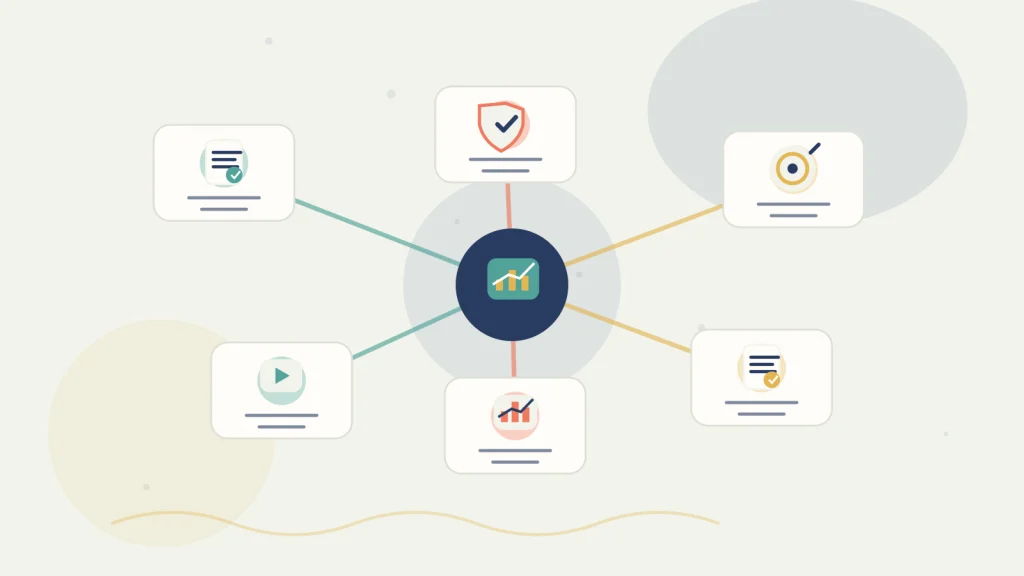
A trainer-evaluation checklist
- Request the current syllabus, revision date, intended learner level, and course exclusions.
- Ask for a sample lesson and assignment that show what learners actually do.
- Verify the instructor’s relevant background and the limits of any case examples or credentials.
- Confirm whether practice uses a demo, fictional case, sandbox, or authorized live workspace.
- Agree on asset ownership, access roles, spend authority, data use, and how access ends.
- Check that measurement lessons define business events before discussing platform configuration.
- Ask how the course verifies current platform steps and handles interface changes.
- Review the feedback rubric and confirm how each participant receives comments.
- Define post-course support by channel, duration, response scope, and exclusions.
- Set a follow-up task and reviewer so the learner can apply one bounded skill safely.
FAQ
What should hands-on Meta Ads training teach first?
Begin with the business task, asset owner, buyer, offer, destination, and response owner. Then map events, audience reasoning, creative, and report review to that task.
Does practical training require a live advertising account?
No. A demonstration account, offline worksheet, fictional case, or supervised screen share can teach workflow reasoning. Use a live account only with documented business authorization and clear change and spend boundaries.
Should a course teach Meta Pixel and Conversions API?
Only when those topics match the business’s current, approved setup. Ask the instructor to show the current first-party material, explain what the practice environment can verify, and distinguish a platform event from a qualified lead. Privacy or consent questions require separate review.
How can a beginner tell whether campaign data are trustworthy?
Check the event definition, test evidence, report date range, filters, source, and business meaning. Platform activity should not automatically be treated as a qualified lead or sale.
What should an export company prepare before training?
Prepare an approved product description, supported market, buyer hypothesis, destination page, lead definition, sales follow-up owner, asset approver, and permitted practice materials.
Can an instructor promise campaign results after the course?
Training may build capability, but reach, qualified inquiries, sales, and profitability depend on many business and market factors. Treat outcome guarantees as a reason to request precise written terms and evidence.
What is a useful post-course assessment?
Have the learner produce and explain a campaign brief, asset map, event dictionary, creative review, or report memo, then have a named reviewer score it against a clear rubric.
Conclusion: choose the lab that teaches a repeatable workflow
Meta Ads training is practical when a learner can move from a business brief to account ownership, event meaning, audience and creative reasoning, safe practice, and a report that states its limits. The clearest evidence of learning is a reviewed work product, not a list of menu items or an unsupported promise about campaign performance.
Before enrolling, compare the instructor, current syllabus, training environment, access and data boundaries, feedback method, and follow-up scope. Then give the learner one approved task and a reviewer. A disciplined lab can help an export team ask better questions and build more consistent campaign habits; the company still owns its account, claims, budget, customer information, and commercial decisions.Review the service scope:Read Marketboo’s hands-on ad coaching page, then request the current syllabus, trainer details, access plan, and feedback boundaries.Planning a team workshop?Contact Marketboo with your team roles, platform experience, market, and one practical task you want learners to complete.